
Published 2026-11-01
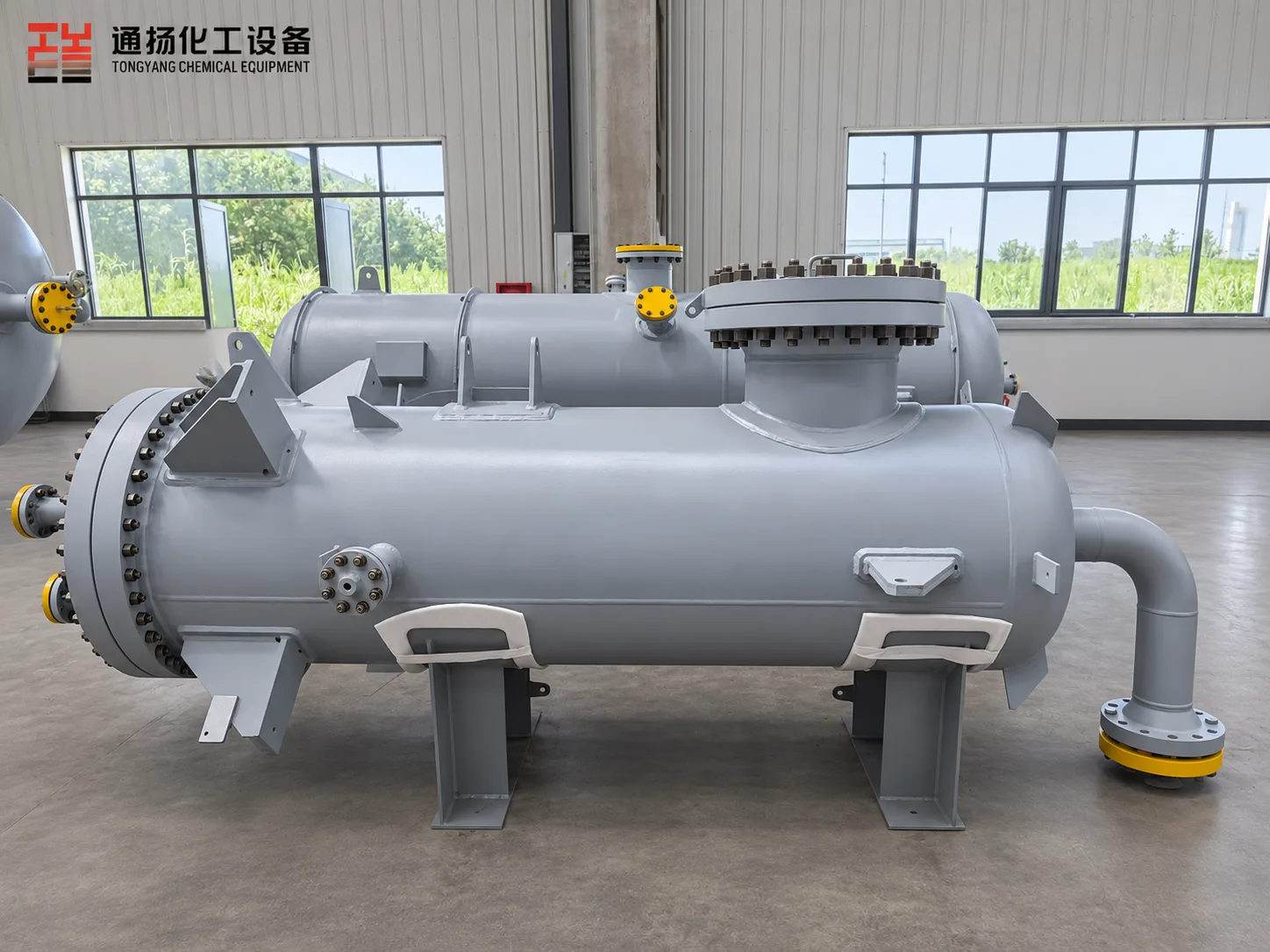
When purchasing industrial pressure vessels for chemical, petrochemical, oil and gas, or energy projects, understanding ASME certification requirements is important.
Two commonly specified certifications are the ASME U Stamp and ASME U2 Stamp.
Although both relate to pressure vessel manufacturing under ASME Boiler and Pressure Vessel Code (BPVC) Section VIII, they represent different construction divisions with different engineering and quality requirements.
For procurement teams and EPC contractors, selecting the appropriate division can affect design calculations, inspection requirements, documentation, manufacturing costs and project schedules.
1. What Is the ASME U Stamp?
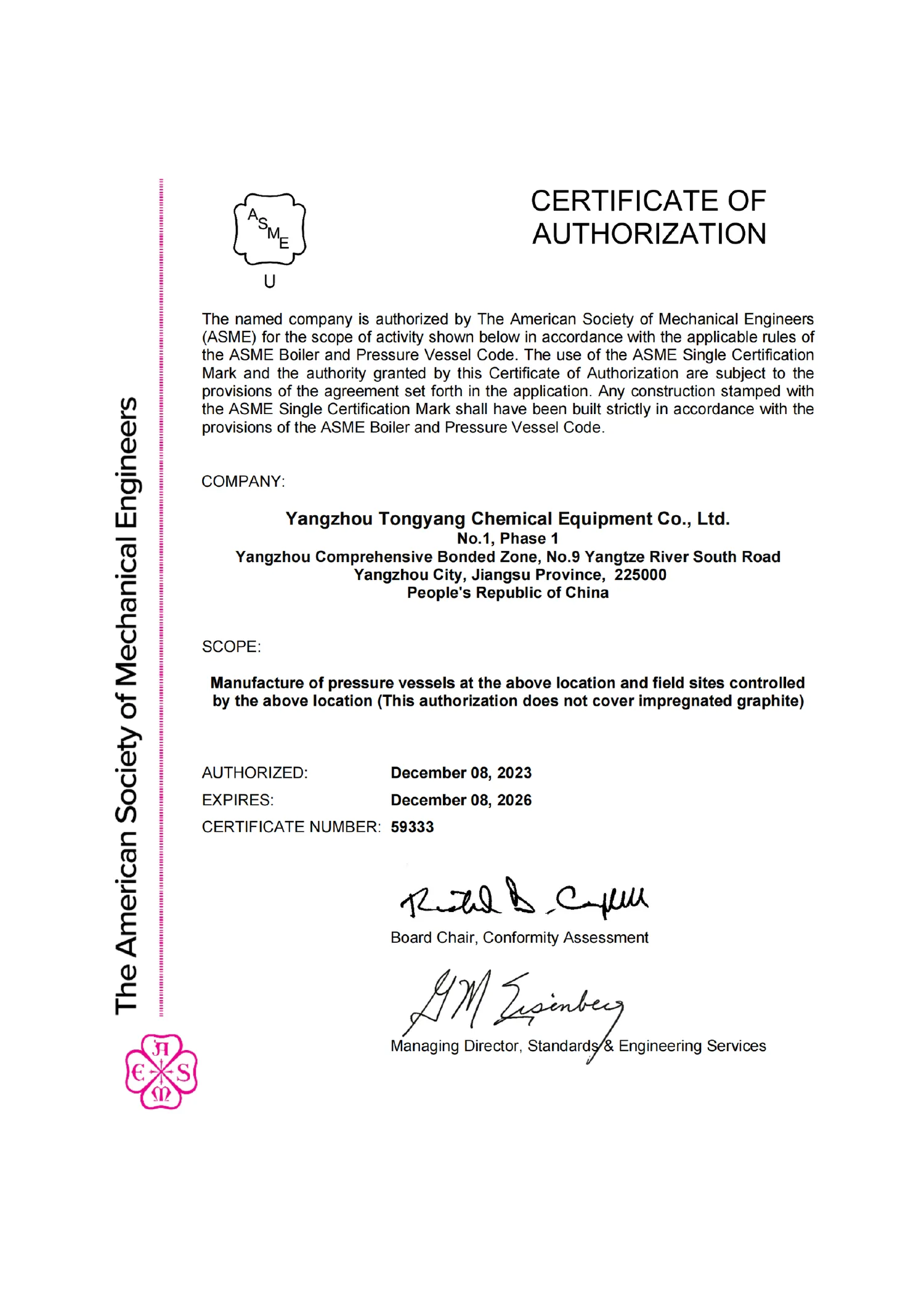
The ASME U Stamp is associated with ASME Section VIII, Division 1, which provides rules for the design, fabrication, inspection, testing and certification of pressure vessels.
Division 1 is widely used for industrial pressure-containing equipment, including:
Air receivers and gas storage vessels
Process drums and separators
Industrial pressure vessels
Heat exchanger pressure components
Other custom pressure-containing equipment
Division 1 establishes construction requirements for materials, pressure design, fabrication, welding, examination and pressure testing.
The applicable requirements depend on the vessel configuration, design conditions and service.
2. What Is the ASME U2 Stamp?
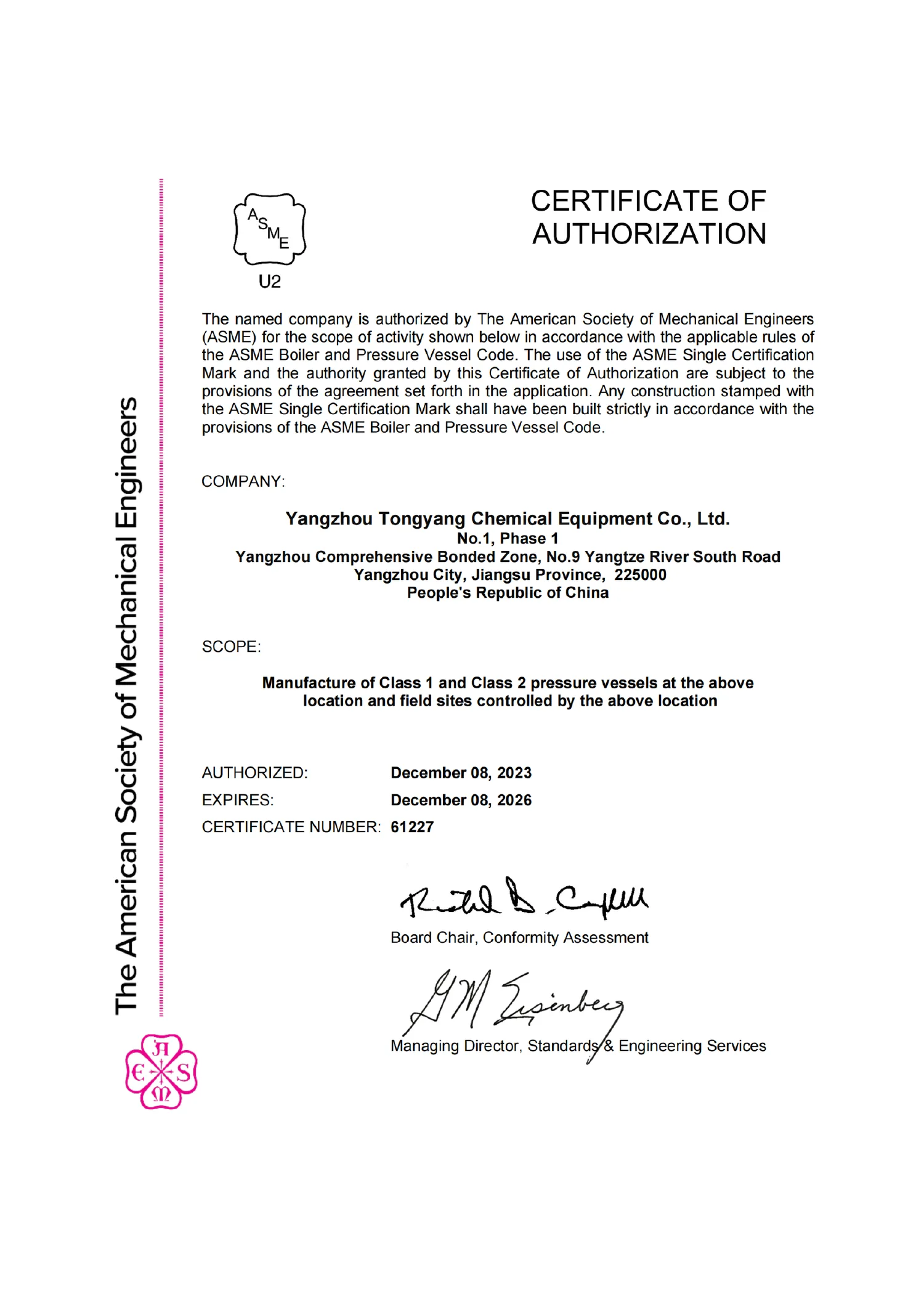
The ASME U2 Stamp is associated with ASME Section VIII, Division 2, also known as the Alternative Rules for Pressure Vessels.
Division 2 provides a different engineering framework, with more detailed requirements for design, materials, examination and quality assurance.
Depending on the applicable Division 2 rules, engineering methods may include:
Design by Rule
Design by Analysis
Stress evaluation
Fatigue assessment when required
Evaluation of relevant mechanical and thermal loading conditions
Division 2 can be appropriate for projects requiring more detailed engineering assessments or where its design provisions offer technical advantages.
However, Division 2 does not automatically mean that a vessel is suitable for every high-pressure application.
3. ASME U vs U2: Key Differences
Item | ASME U Stamp | ASME U2 Stamp |
|---|---|---|
ASME Code | Section VIII, Division 1 | Section VIII, Division 2 |
Construction approach | Division 1 rules | Division 2 alternative rules |
Design methodology | Primarily design by rules | Design by Rule and Design by Analysis |
Engineering documentation | Division 1 requirements | More extensive Division 2 requirements |
Inspection and examination | As specified by Division 1 | Generally more rigorous requirements |
Project suitability | Many conventional industrial vessels | Projects suited to Division 2 requirements |
The correct selection depends on the project design basis, operating conditions, applicable regulations and client specifications.
4. Does U2 Mean a Higher Pressure Rating?
Not necessarily.
There is no single pressure value at which every pressure vessel must change from Division 1 to Division 2.
Pressure is only one factor in the selection.
Engineers must also consider:
Design temperature and material properties
Vessel diameter and geometry
Mechanical loads
Pressure and temperature cycling
Fatigue requirements
Inspection and fabrication requirements
Applicable jurisdictional regulations
Division 2 can permit different allowable design stress values under its prescribed conditions, but this does not guarantee a thinner or less expensive vessel.
5. What Should Buyers Confirm Before Ordering?
Before purchasing an ASME pressure vessel, procurement teams should verify the following information:
Design requirements: Confirm the required ASME Division, code edition, design pressure, design temperature and operating conditions.
Materials: Specify the required material grades, corrosion allowance and any additional material testing requirements.
Inspection: Define the applicable nondestructive examination, pressure testing and third-party inspection requirements.
Documentation: Identify required design calculations, drawings, inspection reports, material certificates and ASME documentation.
Certification: Confirm that the manufacturer's ASME authorization is valid and covers the required construction scope.
These requirements should be established before final quotation and manufacturing.
6. Tongyang's ASME Pressure Vessel Manufacturing Capabilities
Yangzhou Tongyang Chemical Equipment Co., Ltd. provides custom pressure vessel fabrication for industrial projects.
Tongyang holds ASME U and U2 Certificates of Authorization, supporting pressure vessel manufacturing under Section VIII, Division 1 and Division 2, within the applicable authorized scope.
Our manufacturing capabilities include:
Custom pressure vessels and process drums
Industrial heat exchangers
Chemical reactors
Process towers and columns
Gas-liquid separation vessels
Large fabricated pressure-containing equipment
Our workshop resources include heavy plate processing, CNC cutting, plate rolling and large-component handling equipment.
Depending on the project, the manufacturing scope may include mechanical engineering, fabrication, welding, inspection, pressure testing, documentation and export preparation.
Applicable code requirements, certification markings and final inspection scope are confirmed individually for each project.
7. Request an ASME Pressure Vessel Quotation
Are you sourcing an ASME-certified pressure vessel for an industrial project?
Tongyang can review your equipment datasheet, mechanical specification and required design code to assess manufacturing feasibility and quotation requirements.
To request a quotation, please provide:
Equipment type and quantity
Operating and design pressure
Operating and design temperature
Process medium
Required materials
ASME Division and certification requirements
Available technical drawings
Delivery destination
Contact Tongyang Process
Email: [email protected]
Website: https://tongyangprocess.com
Explore our Pressure Vessel Manufacturing Capabilities or Contact Our Engineering and Sales Team.
Technical note: The applicable ASME BPVC edition, certification scope and project requirements must be confirmed during engineering review. This article provides a general comparison and does not replace the applicable Code requirements.
← Back to Technical Insight